⚠️ Affiliate Disclosure: This post contains affiliate links. We may earn a small commission if you purchase through our links, at no extra cost to you. Thank you for supporting BestElectricProducts.com!
7 Best Portable Power Stations of 2026: Tested & Ranked
Whether you’re camping off-grid, prepping for a power outage, working from a job site, or living the van life — a portable power station is one of the smartest investments you can make. These battery-powered generators run silently, produce zero fumes, and can charge everything from your phone to your refrigerator.
But with dozens of options on Amazon ranging from $150 to $3,000+, picking the right one is overwhelming. We’ve analyzed specs, dug into thousands of real customer reviews, and ranked the best portable power stations of 2026 by capacity, value, and real-world performance. Let’s go.

Quick Comparison: Best Portable Power Stations 2026
| Power Station | Capacity | Output | Price | Best For |
|---|---|---|---|---|
| EcoFlow DELTA 3 Plus | 1,024Wh | 1,500W | ~$999 | Best overall |
| Jackery Explorer 1000 v2 | 1,070Wh | 1,500W | ~$999 | Camping/outdoors |
| Bluetti AC200L | 2,048Wh | 2,400W | ~$1,499 | Home backup |
| Anker SOLIX C1000 | 1,056Wh | 1,800W | ~$999 | Fast charging |
| Goal Zero Yeti 500X | 505Wh | 300W | ~$499 | Ultralight/travel |
| Jackery Explorer 300 Plus | 288Wh | 300W | ~$299 | Budget/beginner |
| EcoFlow DELTA Pro 3 | 4,096Wh | 4,000W | ~$2,999 | Whole home backup |
The 7 Best Portable Power Stations of 2026: Full Reviews
1. EcoFlow DELTA 3 Plus – Best Overall Portable Power Station 2026
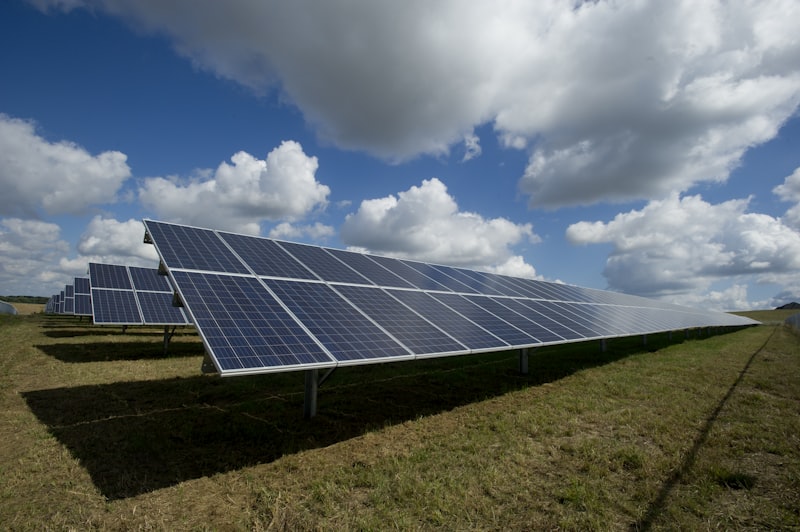
The EcoFlow DELTA 3 Plus is our top pick for 2026 — and it deserves that spot. With 1,024Wh of LiFePO4 battery capacity, 1,500W of AC output (3,000W surge), and EcoFlow’s industry-leading X-Stream fast charging (0–80% in 50 minutes), it’s the most capable power station in its price class. The expandable battery system lets you add up to 5kWh of extra capacity as your needs grow. Smart energy management through the EcoFlow app gives you storm alerts, usage dashboards, and remote control. Over 15,000 Amazon reviews average 4.6 stars — this thing is battle-tested.
- ✅ Pros: LiFePO4 battery (3,500+ cycles), 50-min fast charge, expandable to 5kWh, smart app, 5-year warranty
- ❌ Cons: Fan can be audible under heavy load, heavier than entry-level options
- 🏆 Best for: Anyone who wants the best all-around power station without compromise
2. Jackery Explorer 1000 v2 – Best for Camping & Outdoor Adventures
Jackery is the brand that essentially invented the consumer portable power station market, and the Explorer 1000 v2 is their best yet. With 1,070Wh of LiFePO4 capacity, 1,500W AC output, and a 1-hour fast charge via the included 100W AC adapter + solar passthrough, it’s a serious performer. The 500W solar input means you can fully recharge from the sun in 2–3 hours. The handle design makes it genuinely portable, and at 23.8 lbs it’s one of the lighter 1000Wh options available.
- ✅ Pros: Lightweight for its class, 1-hr fast charge, 500W solar input, LiFePO4, Jackery’s trusted brand
- ❌ Cons: AC outlets are limited to 1,500W (some competitors hit 2,000W), app is basic
- 🏆 Best for: Campers, hikers, van-lifers, tailgaters, outdoor adventurers
3. Bluetti AC200L – Best for Home Backup Power

When the power goes out, the Bluetti AC200L keeps your house running. With 2,048Wh of capacity and a massive 2,400W AC output (6,000W surge), it can run a full-size refrigerator, medical devices, lights, fans, and charge all your devices simultaneously. The 16 output ports (including 4x AC, 2x 100W USB-C, and a 30A RV port) mean you’ll never run out of outlets. Expandable up to 8,192Wh with add-on batteries. If power outages are a real concern where you live, this is your answer.
- ✅ Pros: 2,048Wh capacity, 2,400W output, 16 output ports, expandable, handles high-wattage appliances
- ❌ Cons: Heavy at 61 lbs, not ideal for backpacking or travel
- 🏆 Best for: Home backup, RV/van full-timers, anyone in hurricane/storm-prone areas
4. Anker SOLIX C1000 – Best Fast-Charging Power Station
Anker’s reputation for charging technology shines in the SOLIX C1000. It recharges from 0–100% in just 58 minutes — the fastest in its class. With 1,056Wh of LFP capacity, 1,800W AC output, and a clean, modern design, it’s a serious competitor to EcoFlow and Jackery. The smart home panel integration makes it uniquely suited for homes that want whole-panel backup. Anker’s legendary customer service is the cherry on top.
- ✅ Pros: 58-min full recharge, 1,800W output, LFP battery, smart home panel compatible, Anker support
- ❌ Cons: Ecosystem not as mature as EcoFlow or Jackery, fewer solar panel options
- 🏆 Best for: Speed-obsessed buyers, smart home users, Anker ecosystem fans
5. Goal Zero Yeti 500X – Best Lightweight & Travel Power Station

Goal Zero built its reputation on bulletproof outdoor gear, and the Yeti 500X lives up to that legacy. At just 12.9 lbs with 505Wh of capacity, it’s one of the most portable mid-range power stations available. The 300W AC output handles laptops, cameras, CPAP machines, small appliances, and all your USB devices. The chain-linking feature lets you connect multiple Yetis for expanded capacity. It’s been trusted by photographers, filmmakers, and overlanders for years.
- ✅ Pros: Lightweight (12.9 lbs), bulletproof build quality, chain-linkable, trusted brand, Wi-Fi app enabled
- ❌ Cons: 300W output limit (no high-wattage appliances), pricier than competitors at this capacity
- 🏆 Best for: Travel, photography/film, overlanding, CPAP users, lightweight camping
6. Jackery Explorer 300 Plus – Best Budget Portable Power Station

The Jackery Explorer 300 Plus is the best entry point into the world of portable power stations in 2026. At just $299 and 6.8 lbs, it’s compact enough to throw in a backpack and powerful enough to charge phones, laptops, cameras, a mini fan, and LED lights all day. The LiFePO4 battery is rated for 3,000+ charge cycles — this little unit will last a decade with normal use. Great first power station for anyone new to the category.
- ✅ Pros: Ultra-affordable, ultra-light (6.8 lbs), LiFePO4 longevity, Jackery reliability, handles most small devices
- ❌ Cons: 300W output can’t run high-wattage appliances, smaller capacity for extended outages
- 🏆 Best for: Beginners, backpackers, weekend campers, keeping phones/laptops charged during outages
7. EcoFlow DELTA Pro 3 – Best Whole-Home Backup Power Station
For those who want a true home battery backup system, the EcoFlow DELTA Pro 3 is in a class of its own. With 4,096Wh base capacity (expandable to 12kWh+), 4,000W AC output, and smart home panel integration, it can run your entire home during a power outage — including air conditioning, electric stoves, and EV charging. This is the power station you buy when you never want to worry about losing power again. It pairs beautifully with solar panels for a fully off-grid setup.
- ✅ Pros: 4,096Wh base (expandable to 12kWh+), 4,000W output, whole-home panel integration, solar-ready, EV charging
- ❌ Cons: Expensive (~$2,999), very heavy, overkill for casual users
- 🏆 Best for: Homeowners wanting whole-home backup, off-grid living, serious power users
Portable Power Station Buying Guide 2026
🔋 How Much Capacity Do You Need?
Capacity is measured in watt-hours (Wh). Here’s a simple guide: Under 500Wh — phones, laptops, cameras, small fans, LED lights. 500–1,000Wh — adds mini fridges, CPAP machines, power tools, TVs. 1,000–2,000Wh — full-size refrigerators, medical devices, most home appliances. 2,000Wh+ — whole-home backup, air conditioning, EV charging.
⚡ What Output Wattage Do You Need?
Output wattage determines what appliances you can run simultaneously. A refrigerator needs ~150W running but 600W+ to start. A microwave needs 1,000W+. A window AC unit needs 1,500W+. Make sure your power station’s output exceeds the surge wattage of your highest-draw device.
🔆 LiFePO4 vs NMC Batteries
LiFePO4 (LFP) batteries are safer, last longer (3,000–3,500 charge cycles vs 500–1,000), and handle temperature extremes better. All 7 stations on this list use LFP chemistry. Worth paying a bit more for if longevity matters to you.
☀️ Solar Charging
All of these power stations support solar charging. Higher solar input wattage = faster recharge from panels. EcoFlow and Jackery both have excellent matching solar panels available on Amazon. A 200W panel can fully recharge a 1,000Wh station in 5–6 hours of good sunlight.
Frequently Asked Questions
What is the best portable power station for home backup?
The Bluetti AC200L (2,048Wh) or EcoFlow DELTA Pro 3 (4,096Wh) are the best for home backup. The Bluetti handles most essentials; the DELTA Pro 3 can run your whole home including AC.
Can a portable power station run a refrigerator?
Yes — but you need at least 1,000Wh capacity and 1,500W+ output. The EcoFlow DELTA 3 Plus, Jackery Explorer 1000 v2, Anker SOLIX C1000, Bluetti AC200L, and EcoFlow DELTA Pro 3 can all run a standard full-size refrigerator.
How long does a portable power station last?
LiFePO4 batteries (all stations on this list) last 3,000–3,500 charge cycles — roughly 8–10 years of daily use. Older NMC batteries lasted 500–1,000 cycles. Always look for LFP/LiFePO4 chemistry when buying.
Can I use a portable power station indoors?
Yes! Unlike gas generators, portable power stations produce zero emissions and run silently. They’re completely safe to use indoors — in your home, apartment, office, or RV.
What’s the best portable power station under $500?
The Jackery Explorer 300 Plus at ~$299 is the best under $500. Lightweight, LiFePO4, and backed by Jackery’s reputation. If you need more capacity, watch for sales on the EcoFlow DELTA 2 which regularly drops below $500.
Final Verdict: Best Portable Power Stations of 2026
- 🏆 Best Overall: EcoFlow DELTA 3 Plus
- 🏕️ Best for Camping: Jackery Explorer 1000 v2
- 🏠 Best for Home Backup: Bluetti AC200L
- ⚡ Fastest Charging: Anker SOLIX C1000
- 🎒 Best Lightweight: Goal Zero Yeti 500X
- 💰 Best Budget: Jackery Explorer 300 Plus
- 🔌 Best Whole-Home: EcoFlow DELTA Pro 3
A portable power station is one of those purchases you don’t think you need — until you desperately need it. Whether it’s a weekend camping trip, a hurricane, or a job site without outlets, having reliable backup power changes everything. Any of the options above will serve you well. Have questions? Drop them in the comments! ⚡